
OEM Materials supplies furniture packaging materials engineered to protect finished goods throughout manufacturing, storage, transportation, and final delivery. Furniture supply chains require durable packaging systems that prevent dents, scratches, compression damage, and shifting during transit. One unstable pallet, crushed corner, or damaged surface can lead to returns, replacements, and lost revenue. That’s where we come in. We help furniture manufacturers, distributors, and retailers implement protective packaging systems that safeguard product quality, stabilize shipments, and keep furniture moving efficiently from production floor to final destination.
Furniture products travel through warehouses, distribution centers, freight carriers, and delivery networks before reaching the customer. Finished wood surfaces can scratch, upholstered materials can compress, and poorly secured pallets can shift during transport. OEM Materials provides furniture packaging designed to protect delicate finishes, reinforce structural edges, and maintain load stability throughout the shipping process.
We support furniture manufacturers and distributors with packaging systems that integrate smoothly into assembly, storage, and fulfillment workflows. Our goal is simple: protect finished products, reduce damage claims, and maintain consistent shipment quality from facility to destination.
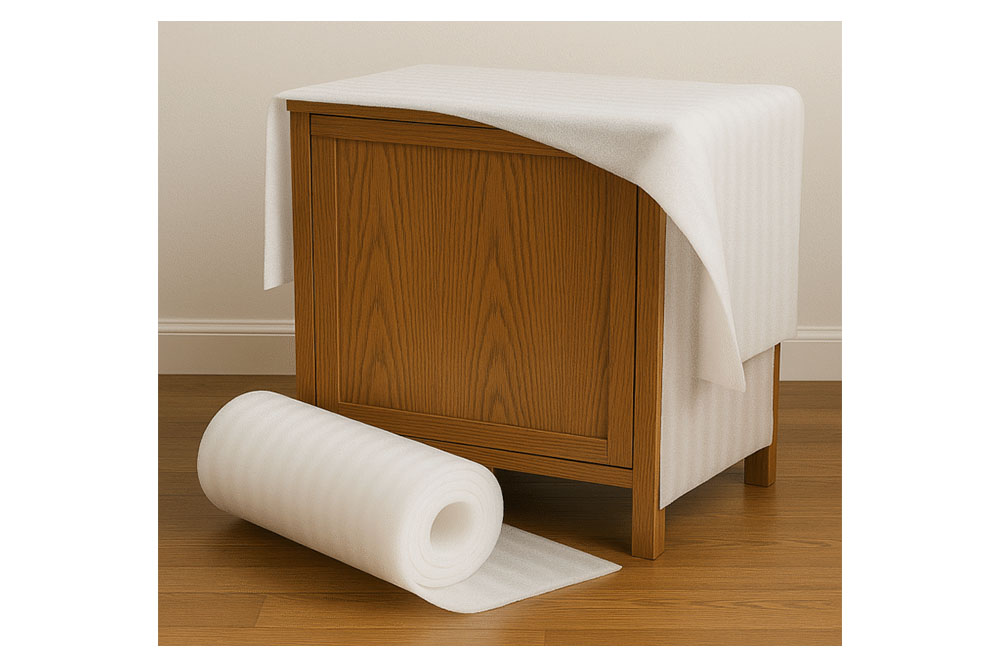
We supply protective packaging materials designed to shield furniture surfaces from scratches, abrasion, and compression during storage and transport. Foam sheets, cushioning materials, and protective wraps help prevent direct contact damage between products, packaging, and handling equipment.
Protective surface materials are selected based on the type of furniture finish, product weight, and handling conditions. Proper cushioning reduces the risk of dents and surface blemishes while maintaining clean presentation when items arrive at retail locations or customer homes.
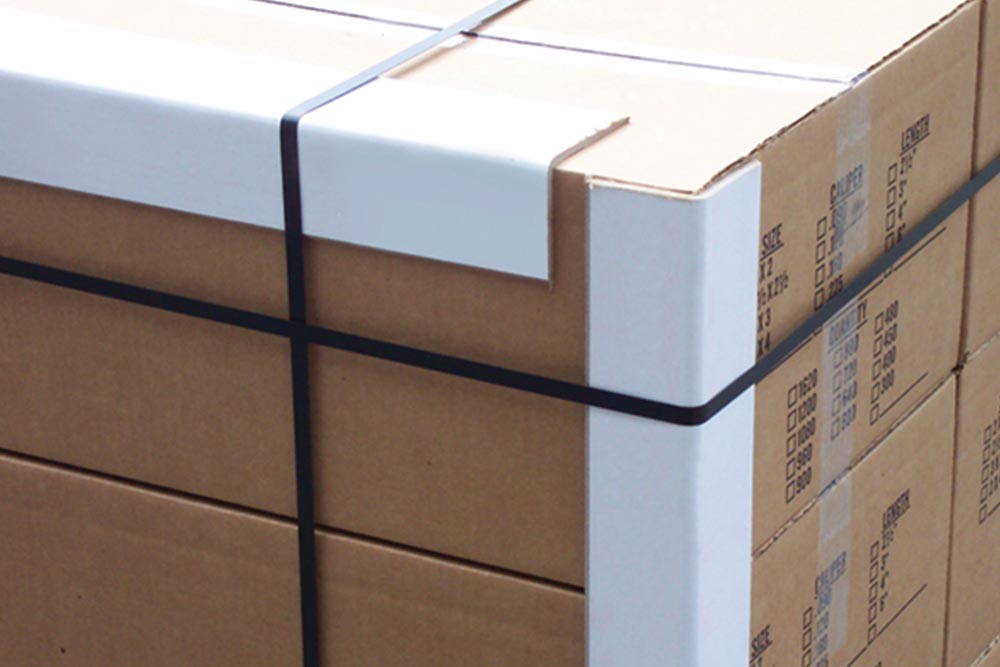
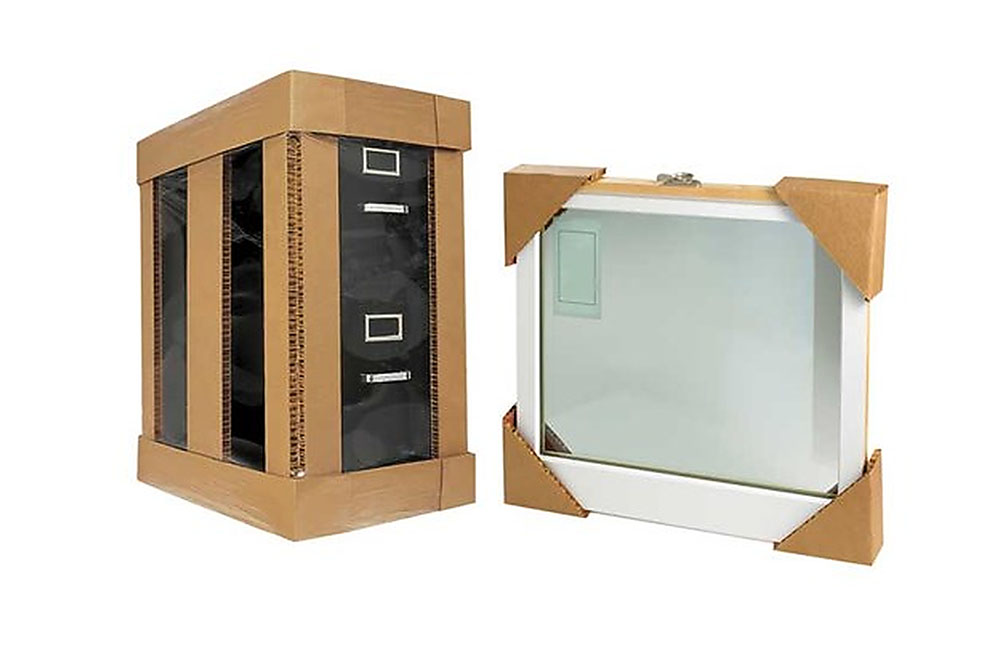
Furniture edges and corners are among the most vulnerable areas during handling and transportation. We provide reinforced corner guards, edge boards, and protective profiles designed to absorb impact and distribute pressure across packaged furniture loads.
These protective materials help prevent crushing, chipped finishes, and structural damage caused by stacking pressure or accidental contact during handling. Reinforced corner protection also improves pallet stacking performance by stabilizing load edges and maintaining alignment during transit.
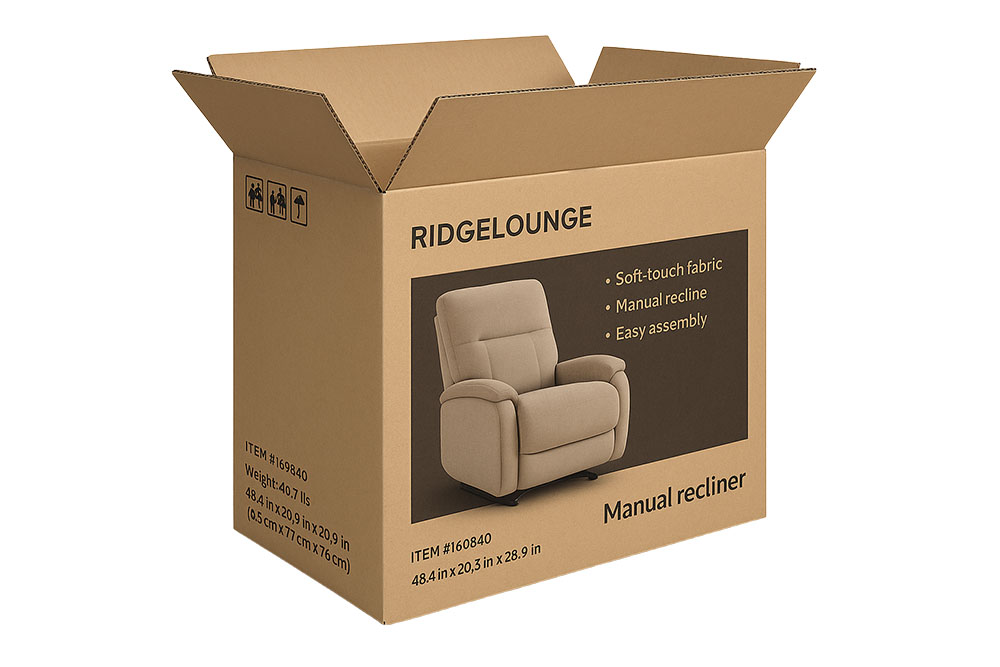
We provide heavy-duty corrugated cartons designed to protect furniture parts and smaller finished products during shipping and storage. Strong corrugated board combinations provide excellent compression resistance while protecting items from impact and puncture damage.
Custom carton sizing improves pallet configuration and reduces excess void space. Reinforced packaging structures help maintain carton integrity under stacking pressure, protecting furniture components during multi-stage handling and long-distance transport.
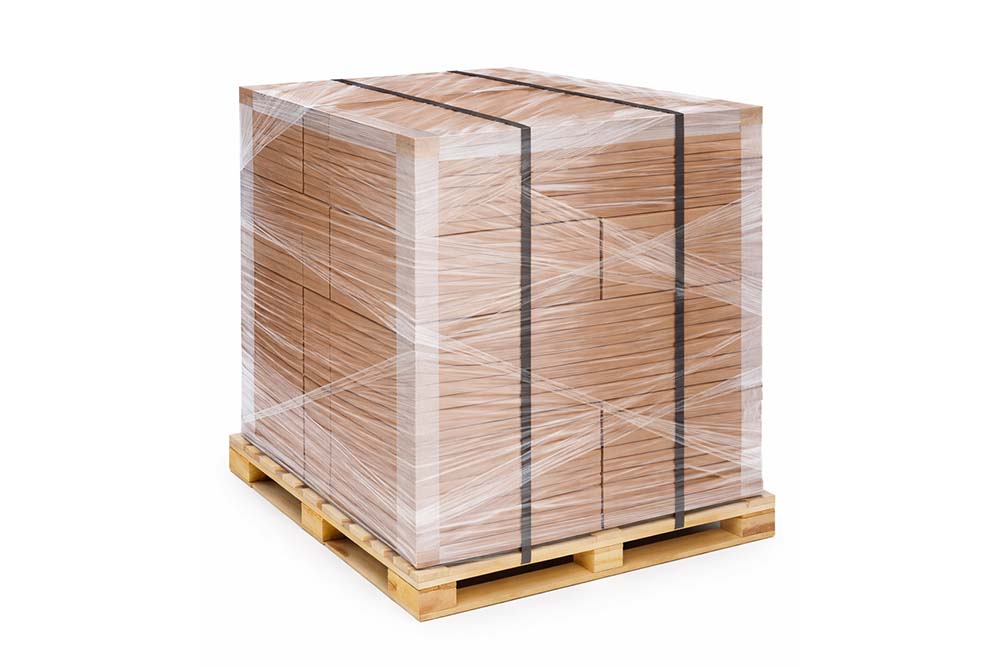
Furniture shipments frequently move in palletized loads across regional and national freight networks. We provide stretch film, strapping, corner protection, and containment materials that stabilize furniture shipments and reduce pallet movement during transportation.
Proper load containment helps maintain stacking alignment, prevent shifting, and reduce the risk of freight damage. Our team matches containment materials to your pallet configuration, product weight, and throughput requirements to support efficient, secure shipping operations.
OEM Materials supports a wide range of furniture operations, including:
We provide packaging systems that protect finished goods immediately after production. Surface protection materials, reinforced cartons, and load stabilization solutions help maintain product quality as items move from manufacturing lines to distribution channels.
Standardized packaging systems support consistent packaging workflows and repeatable product protection across multiple product lines. Reliable packaging specifications reduce variability and improve outbound shipment reliability.
We supply cartons, protective wraps, and pallet containment materials for shipments moving to retailers, showrooms, and e-commerce fulfillment centers. Protective packaging reduces transit damage while preserving presentation quality.
Durable packaging materials help maintain stacking strength and protect furniture products during short- and long-term storage. Reinforced cartons and protective materials maintain product condition even in high-volume warehouse environments.
Stable pallet configurations and durable cartons support efficient picking, packing, and outbound distribution operations. Proper packaging reduces handling damage and ensures furniture arrives ready for customer delivery.
We develop packaging programs that are designed to scale with production volume. Consistent material supply and documented specifications ensure uninterrupted packaging during peak furniture manufacturing and shipping cycles.
Request a customized furniture packaging quote tailored to your product dimensions, finish requirements, and distribution methods. We help reduce shipping damage, improve load stability, and protect furniture throughout the supply chain.
We implement foam cushioning, reinforced cartons, corner protection, and pallet stabilization systems designed to minimize scratches, dents, and compression damage during transportation.
Consistent packaging standards preserve furniture finishes and ensure products arrive in showroom condition, reducing returns and protecting brand reputation.
Well-designed packaging systems simplify packing workflows, improve pallet stacking consistency, and support efficient warehouse handling.
We support inventory and replenishment programs that keep approved packaging materials available during normal production cycles and peak shipping periods.
When standard materials do not fully meet product requirements, OEM Materials develops custom furniture packaging programs built around your product dimensions, finishes, and shipping methods. We design cushioning systems, reinforced cartons, corner protection, and containment materials tailored to the sensitivity and weight of each product.
Documented packaging specifications support consistent packing procedures across facilities and production shifts, ensuring reliable protection throughout the distribution process.
Furniture manufacturers and distributors depend on consistent packaging supply to maintain production schedules and shipping timelines. OEM Materials supports customers nationwide with inventory management and replenishment programs designed to prevent packaging shortages and operational delays.
Reliable packaging supply helps maintain shipment consistency, protect finished goods, and support organized distribution across warehouses and fulfillment facilities.

Growing furniture brands require packaging that protects product quality while supporting efficient distribution. OEM Materials delivers protective packaging systems designed to prevent damage, stabilize pallet loads, and maintain repeatable standards across operations.
As production volumes grow and distribution networks expand, we help standardize packaging specifications and maintain reliable supply so shipments move smoothly without disruption.

If you manufacture, distribute, or ship furniture and need to reduce scratches, prevent transit damage, and improve shipping reliability, our team is ready to help. Share your product types, shipping methods, and volume requirements, and we will recommend furniture packaging materials aligned with your operational and quality goals.
Furniture packaging includes the protective materials used to shield furniture during storage, handling, and transportation. Proper packaging prevents scratches, dents, crushed corners, and surface damage that often occur during freight movement. Using the right combination of foam, corrugated cartons, corner protection, and stretch wrap helps keep furniture stable on pallets and ensures products arrive in excellent condition at distribution centers, retailers, or customers.
OEM Materials supplies a wide range of furniture packaging materials designed to protect finished products during shipping. These include foam cushioning, protective wrap, edge and corner guards, corrugated pads, reinforced cartons, pallet stretch film, and load containment materials. Each material serves a specific purpose, from protecting delicate finishes to stabilizing pallet loads, helping businesses reduce shipping damage and maintain consistent product quality.
Furniture packaging protects vulnerable areas such as edges, corners, and finished surfaces that can easily be damaged during handling. Foam cushioning absorbs impacts, corner protection prevents crushing, and corrugated materials add structural strength. When combined with pallet stabilization materials like stretch film and strapping, these packaging components help keep furniture secure throughout transportation, reducing the risk of dents, scratches, and costly damage claims.
Large furniture pieces often require layered protection to prevent damage during transport. Businesses commonly use foam padding to protect surfaces, reinforced corner guards to prevent crushing, and heavy-duty corrugated materials for structural support. Pallet containment solutions such as stretch film and strapping help stabilize large furniture loads. These combined packaging systems help protect oversized furniture throughout warehouse handling and freight movement.
Yes, furniture packaging can be customized based on product size, weight, finish type, and shipping method. OEM Materials helps businesses select protective materials that match the specific needs of each product. Custom packaging programs may include tailored carton sizes, specialized foam protection, reinforced corners, and pallet stabilization systems. Custom solutions improve product protection while maintaining efficient packing processes.
Effective furniture packaging improves shipping efficiency by creating stable, organized pallet loads that move smoothly through warehouses and freight networks. Reinforced cartons and protective materials reduce the risk of damage, which helps prevent delays caused by rejected shipments or replacements. Consistent packaging standards also simplify packing workflows, helping businesses ship furniture faster while maintaining reliable product protection.
Pallet stabilization helps prevent furniture loads from shifting, tilting, or collapsing during transportation. Stretch film, corner boards, and strapping hold products securely in place while reinforcing the pallet structure. Stable pallet loads reduce the risk of freight damage caused by movement during transit. Strong containment also improves stacking performance and helps shipments arrive safely at distribution centers or retail locations.
Furniture packaging reduces returns and damage claims by protecting vulnerable surfaces and structural points during shipping. Materials such as foam cushioning, protective wrap, and reinforced corners help absorb impacts and prevent compression damage. When combined with proper pallet containment, these materials help maintain product condition from warehouse to delivery, reducing costly replacements and improving customer satisfaction.
Furniture manufacturers, distributors, retailers, and e-commerce sellers all benefit from professional furniture packaging solutions. Any business that ships finished furniture products needs protective packaging to prevent transit damage. Reliable packaging systems help maintain product appearance, reduce returns, and protect brand reputation while ensuring furniture arrives safely at warehouses, showrooms, or customer homes.
Furniture companies choose OEM Materials because we provide reliable packaging supplies designed to protect products throughout the supply chain. Our team helps businesses select materials that match product size, shipping conditions, and handling requirements. By supplying consistent packaging solutions and dependable material availability, OEM Materials helps furniture operations reduce damage, improve shipping efficiency, and maintain consistent packaging standards.