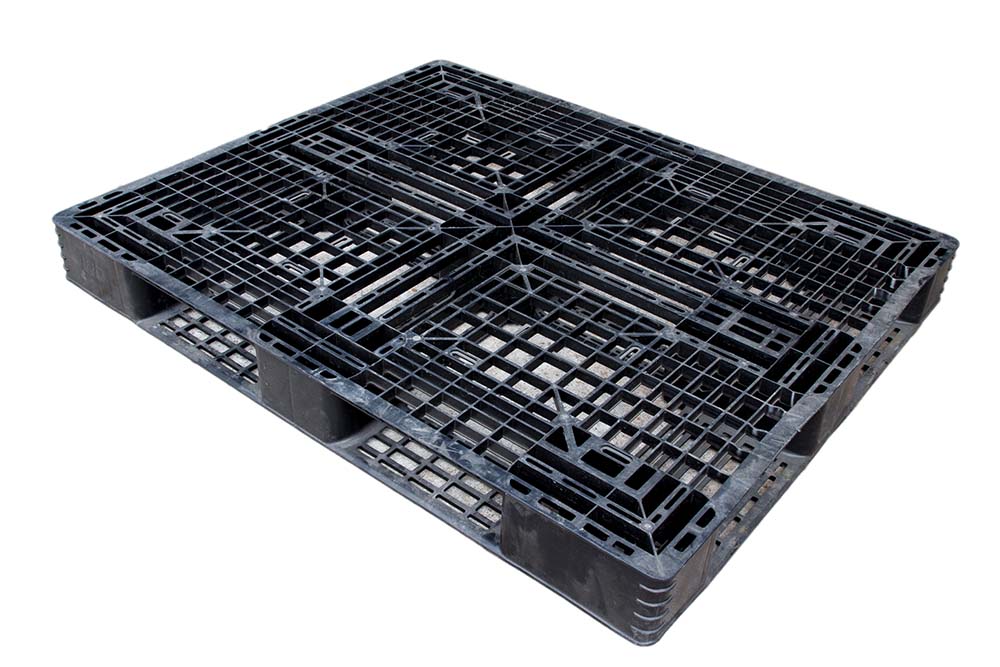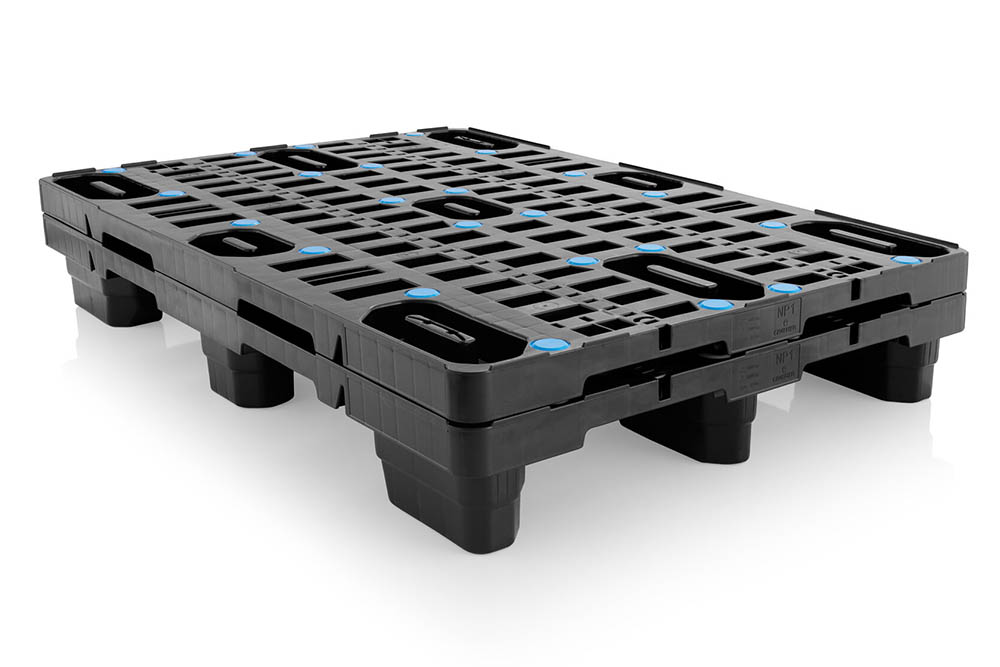
OEM Materials supplies durable, clean, and reliable plastic pallets for storing, moving, and shipping products across warehouse, distribution, manufacturing, and export environments. Built for consistent handling and long-term use, plastic pallets offer strong weight capacity, moisture resistance, and dependable performance where wood pallets may splinter, absorb liquids, or break down. Our selection includes lightweight one-way pallets, rackable pallets for warehouse racking, and heavy-duty reusable options. We offer export-ready, nestable, stackable, and rackable styles compatible with forklifts, pallet jacks, and many automated systems.
Choose from nestable, stackable, rackable, and heavy-duty pallet styles to match your weight requirements, handling equipment, and storage environment.
Plastic pallets resist moisture, chemicals, and spills. They work well in clean operations and environments where wood pallets absorb liquids or grow mold.
Plastic pallets offer uniform sizing and predictable handling, making them ideal for operations that need standardization across locations or facilities.
Plastic pallets eliminate splinters, nails, and broken boards, helping improve warehouse safety and reducing the chance of product damage.
Many plastic pallets are designed for repeated use, helping reduce replacement frequency and lowering total pallet costs over time.
Plastic pallets work well for storage, shipping, and export programs, especially when operations require durable pallets without wood compliance concerns.
Plastic pallets provide a clean, consistent, and long-lasting solution for shipping and storage across a wide range of industries.
Selecting the right plastic pallet depends on load weight, storage method, handling equipment, shipping requirements, and how often you plan to reuse the pallet. Some plastic pallets are designed for lightweight one-way shipments, while others are engineered for heavy-duty reuse in high-volume distribution environments.
Below you’ll find our plastic pallet offering organized by pallet type to help you quickly identify the best option for your operation. Use the sections below to compare performance characteristics such as rackability, nestability, weight capacity, and durability. If you need help choosing the right plastic pallet, our team can recommend the best match based on your warehouse setup and product loads.
Nestable plastic pallets are designed to save space when pallets are not in use. They nest inside each other rather than stacking on top of each other like traditional pallets. This design helps reduce storage footprint and lowers return freight costs when pallets need to be shipped back to a facility. Many operations use nestable pallets for one-way shipping, light distribution, and export shipments where minimizing storage and freight volume is important. Nestable pallets typically weigh less than heavy-duty pallets, making them easier to handle manually and more cost-effective for shipping programs.
Stackable plastic pallets are designed to stack securely when empty. Unlike nestable pallets, stackable pallets sit on top of each other in stable stacks. This design helps operations that want a more traditional stacking method while still benefiting from plastic durability and clean performance. Stackable pallets often provide higher strength than nestable pallets, and many styles include reinforced structures that improve load support. These pallets work well for closed-loop systems, internal transfers, and repeated warehouse use.
Rackable plastic pallets are engineered for warehouse racking systems. These pallets support heavy loads in racked storage without sagging, bending, or failing across the span of rack beams. Rackable pallets often include reinforced runners, structural ribs, or internal reinforcement to maintain strength under long-term racked conditions. Operations that use selective rack systems, drive-in racks, or high-density warehouse storage often require rackable pallets for safety and performance. When pallets fail in racking, the results can be costly and dangerous. Rackable plastic pallets help reduce these risks by providing consistent support and structural integrity.
Rackable pallets also support standard forklift handling and often perform well in automated facilities depending on deck style and base design.
Heavy-duty reusable plastic pallets are designed for demanding environments where pallets are used repeatedly and must hold up under constant handling. These pallets typically feature thicker decks, reinforced bases, and stronger overall construction to support higher static and dynamic load capacities. Many operations choose heavy-duty plastic pallets for closed-loop systems, manufacturing workflows, and distribution programs where pallets return to the facility for reuse. Over time, heavy-duty plastic pallets can provide excellent long-term value by reducing pallet replacement and minimizing product damage caused by broken pallets.
Export-ready plastic pallets are ideal for international shipping and global logistics. Many exporters use plastic pallets because they avoid the compliance requirements that apply to wood pallets in international shipments. Wood pallets often require heat treatment and specific markings, while plastic pallets typically avoid those issues. Export pallets are often lightweight, nestable, and cost-effective for one-way shipments. They help reduce freight weight and can lower shipping costs depending on the destination and freight structure. Plastic export pallets also resist moisture, making them a strong choice for ocean freight environments where humidity and condensation can cause wood pallets to weaken or mold.
Choosing the right plastic pallet is easier when you start with how the pallet will be used in your operation. The “best” pallet is not always the strongest pallet. It is the pallet that fits your load requirements, storage environment, and handling equipment while keeping costs under control.
Here are the key factors that matter most:
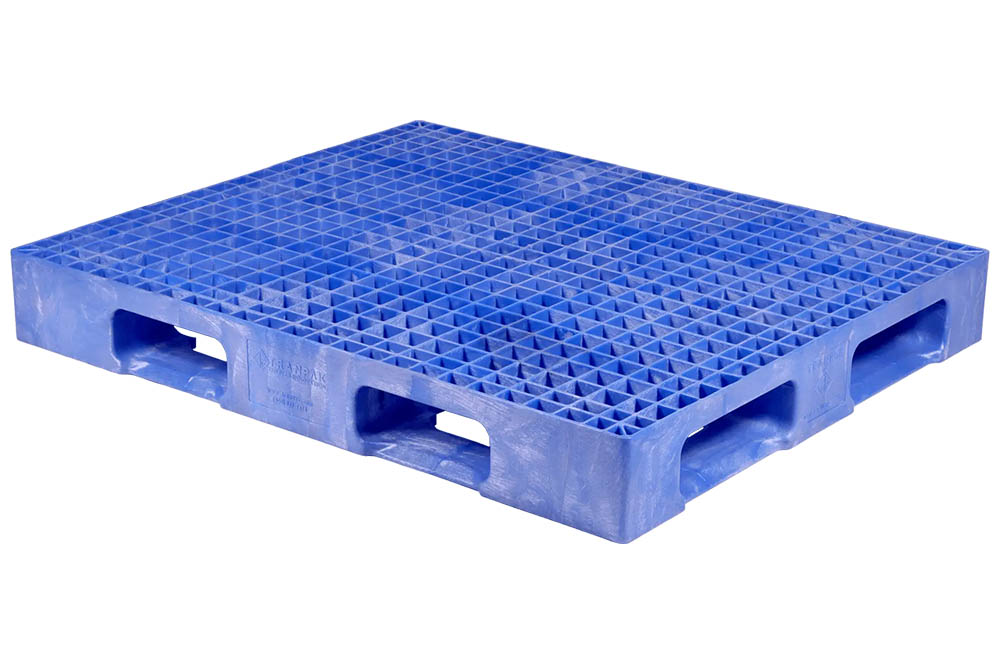
Plastic pallets are widely used across logistics, manufacturing, distribution, and export shipping. They are especially popular in industries where cleanliness, consistency, and long-term performance matter.
Plastic pallets support a wide range of applications, including:

Every operation has different load requirements, handling equipment, storage conditions, and shipping goals. The right plastic pallet depends on how you use pallets every day, not just what looks good on paper.
If you need help choosing the right plastic pallets or would like pricing and availability details, our packaging specialists are ready to help. We can recommend the best pallet style based on your loads, warehouse setup, and shipping environment.
Plastic pallets are used for storing, handling, and shipping palletized loads in warehouses, distribution centers, manufacturing facilities, and export environments. They provide a durable platform for moving products safely with forklifts and pallet jacks. Plastic pallets are commonly used when operations need consistent performance, moisture resistance, and a cleaner alternative to wood pallets.
Plastic pallets are made from durable plastic materials and offer consistent sizing, moisture resistance, and splinter-free handling. Wood pallets are made from lumber and may break down over time due to moisture, repeated handling, or board damage. Plastic pallets do not absorb liquids, do not splinter, and often last longer in reuse programs, while wood pallets may cost less upfront for one-way shipping.
Yes. Many plastic pallets are designed specifically for heavy loads and high-capacity storage. Rackable and heavy-duty reusable plastic pallets often support significant static, dynamic, and racked load capacities. The best pallet depends on how you store and handle the load. If you need heavy-load performance, we can recommend a pallet designed for your exact requirements.
Yes, but you should choose a rackable plastic pallet specifically engineered for racking systems. Not all plastic pallets are suitable for racking. Rackable pallets include reinforced runners or structural designs that support loads across rack beams without sagging. Using a non-rackable pallet in racking can create safety risks and inventory damage.
Nestable plastic pallets are pallets designed to nest inside each other when empty. This reduces the amount of space needed to store empty pallets and can lower return freight costs. Nestable pallets are often used for export shipping, one-way distribution, and operations that want lightweight pallets with space-saving storage.
Yes. Plastic pallets are widely used for export shipping because they avoid many of the compliance issues associated with wood pallets. They also resist moisture, making them a strong option for ocean freight environments. Export-ready plastic pallets are often lightweight and nestable, helping reduce freight weight and shipping costs.
Yes. Most plastic pallets are designed with standard forklift and pallet jack entry points. Many models offer 4-way entry for easy access from multiple directions. Entry style varies by pallet design, so it’s important to choose a pallet that matches your handling equipment and workflow.
Yes. Plastic pallets are much easier to clean because they do not absorb moisture and typically have smooth surfaces. Many facilities use plastic pallets in clean environments because they can be wiped down or washed more easily than wood pallets. This makes them ideal for food distribution, pharmaceutical packaging, and other sanitation-focused operations.
Plastic pallet lifespan depends on pallet design, load weight, handling frequency, and storage conditions. Heavy-duty reusable plastic pallets can last for many years in closed-loop programs, while lightweight export pallets are designed more for one-way shipping. In many cases, plastic pallets last longer than wood pallets and reduce replacement frequency.
Yes. Selecting the right plastic pallet depends on load weight, racking requirements, handling equipment, and whether the pallet will be reused or shipped one-way. Our team can evaluate your operation and recommend the best plastic pallet type for your needs. Contact us for expert guidance, pricing, and availability.